BJMP Quezon City Jail - Male Dormitory

No Juan Left Behind
Quezon City Jail - Male Dormitory
headed by
JSUPT MARIA LOURDES P PACION, Jail Warden
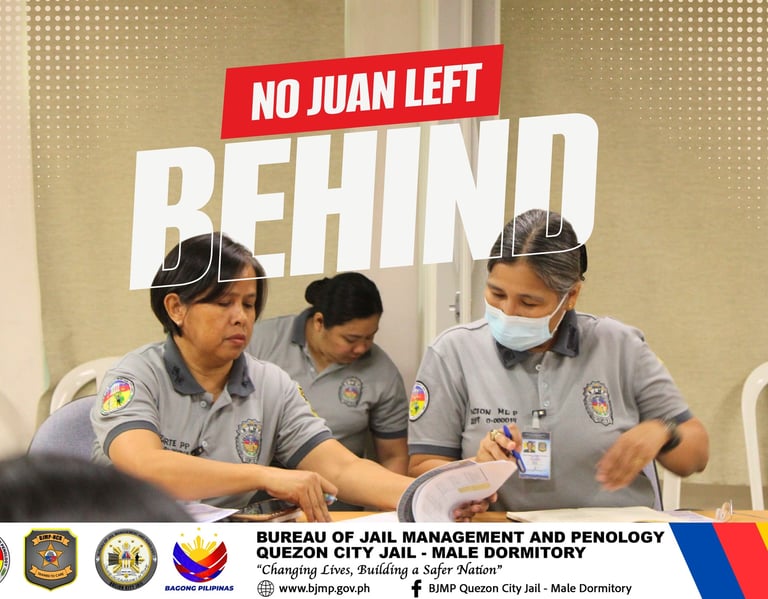


𝐍𝐎 𝐉𝐔𝐀𝐍 𝐋𝐄𝐅𝐓 𝐁𝐄𝐇𝐈𝐍𝐃
The No Juan Left Behind Program is modelled after the successful and widely recognized 'No Woman Left Behind' initiative implemented at QCJ-FD, which has shown significant impact in the lives of persons deprived of liberty.
This program will primarily concentrate on providing comprehensive support in the areas of education, health, and livelihood, ensuring that PDL receive the necessary skills, services, and opportunities to facilitate their successful reintegration into the community.
𝑻𝒉𝒆 𝑵𝒐 𝑱𝒖𝒂𝒏 𝑳𝒆𝒇𝒕 𝑩𝒆𝒉𝒊𝒏𝒅 𝒘𝒊𝒍𝒍 𝒔𝒐𝒐𝒏 𝒃𝒆 𝒇𝒐𝒓𝒎𝒂𝒍𝒍𝒚 𝒍𝒂𝒖𝒏𝒄𝒉𝒆𝒅 𝒂𝒕 𝒕𝒉𝒆 𝑸𝑪𝑱-𝑴𝑫
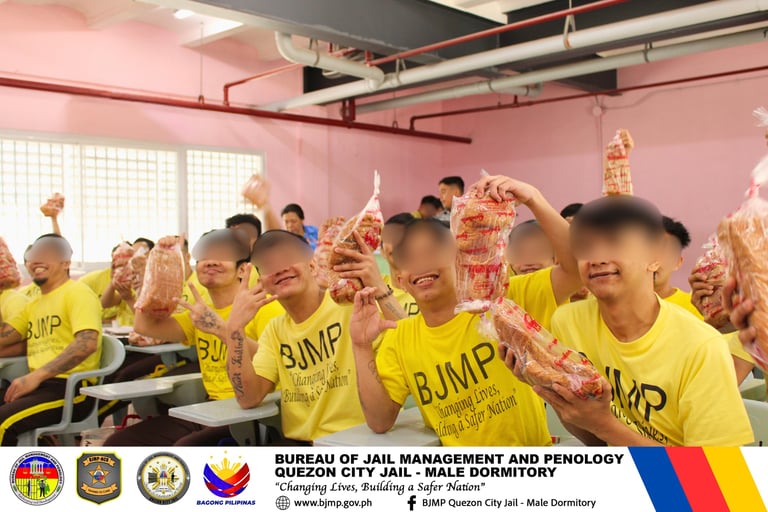
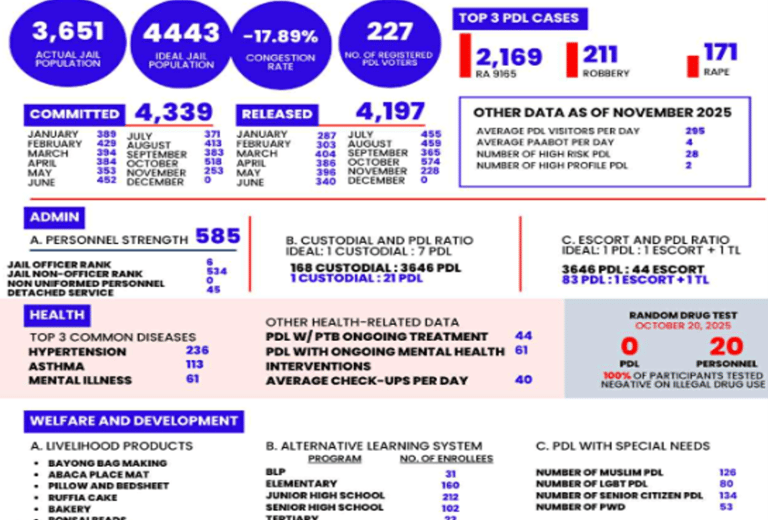
DEMOGRAPHIC DATA
Comprehensive Medical Laboratory for PDL
Providing complete diagnostic services to ensure early detection and proper management of illnesses.
List of Medical Laboratory Procedures:
1. PA Chest X-Ray
2. ECG
3. Urinalysis
4. Fecalysis
5. Complete Blood Count
6. Blood Urea Nitrogen
7. Creatinine
8. SGOT
9. SGPT
10. VDRL
11. Fasting Blood Sugar
12. Lipid Profile
13. Blood Uric Acid
14. HBsAg
15. Blood Typing
16. Drug Test
TB Control and Prevention Program
Strengthening early detection and management of tuberculosis within QCJMD.
a. Daily Directly Observed Treatment (DOT)
b. TB Laboratory utilization for rapid diagnostics
Funding request needed for:
Expired GeneXpert Warranty (Aug 2025 & Oct 2026)
Unserviceable CPU of GeneXpert Machine
c. Regular sputum screening for all new commits
d. TB education sessions per brigade
Nutrition and Wellness Enhancement for PDL
Promoting proper nutrition for improved health outcomes.
a. Nutritional assessment for all PDL
b. Specialized diets for TB, hypertension, diabetes, and GI cases
c. Double share program for undernourished PDL
Environmental Health
a. Regular insect and rodent control
b. Clean water access and water testing
c. Waste management and hygiene education
HIV/AIDS, STI, PICT
a. Provider-initiated counseling and testing (PICT)
b. HIV treatment linkage and monitoring
c. STI management and prevention education
d. Condom awareness for eventual reintegration
Special Care Program for Vulnerable Groups
a. Senior citizens
b. PDL with disabilities
c. Chronically ill (DM, HTN, CKD)
d. PDL with mental health concerns
Mental Health and Psychosocial Support Program
Ensuring mental health care accessibility for all PDL.
a. Mental health consultations and telepsych services
b. Stress management and coping-skills workshops
Drug Free Facility
Promoting a safe and drug-free facility.
a. Drug Awareness Campaign for PDL and personnel
b. Random Drug Testing of PDL (20% of population or approx. 750–800 PDL)
c. 100% Drug Testing of Personnel (543 personnel)
Prostate Screening and Andropause (Andropost) Assessment
Prostate Screening
Early detection of prostate-related conditions for male PDL, especially those aged 40 and above.
Digital Rectal Exam (DRE) – coordination with partner hospitals
Prostate-Specific Antigen (PSA) testing
Health education on prostate cancer and urinary symptoms
Andropause (Andropost) Assessment
Screening for hormonal decline among aging male PDL to improve quality of life.
Evaluation of symptoms (fatigue, low energy, mood changes, decreased libido)
Basic laboratory tests when needed
Counseling and referral for further management
BJMP QUEZON CITY JAIL - MALE DORMITORY VIRTUAL MONITORING DASHBOARD
COMPREHENSIVE PROGRAMS
This program ensures that PDL receive proper medical and mental health care. It includes regular health check-ups, counseling. This will reflect their respect for life and dignity that rehabilitation requires.
When health and hygiene are prioritized, discipline, order, and morale improve inside the jail. PDL learn the importance of self-care and responsibility, which strengthens their mindset for reintegration into society.
Comprehensive Health and Wellness
Medical consultations, routine check-ups, and health screenings;
TB, HIV/AIDS, STI, Hepatitis B, and communicable disease surveillance and management;
Vaccination programs;
Nutrition and wellness interventions;
Mental health services, including psychiatric consultations, counseling, therapy, and staff capacity-building;
Health education, hygiene promotion, and PDL-focused preventive health campaigns.
HEALTH AND WELLNESS
Substance Abuse Prevention, Treatment, and Rehabilitation
Drug testing, dependency assessments, and profiling;
Inpatient and outpatient rehabilitation;
Intensive outpatient programs and therapeutic interventions;
Community-based rehabilitation and aftercare;
Preventive and harm-reduction education.
Education and Skills Development
ALS programs for basic education (elementary, JHS, SHS);
TESDA-accredited skills training;
Higher education opportunities and digital learning support through QCU;
Competency-based assessments and certification processes.
Livelihood and Work Readiness
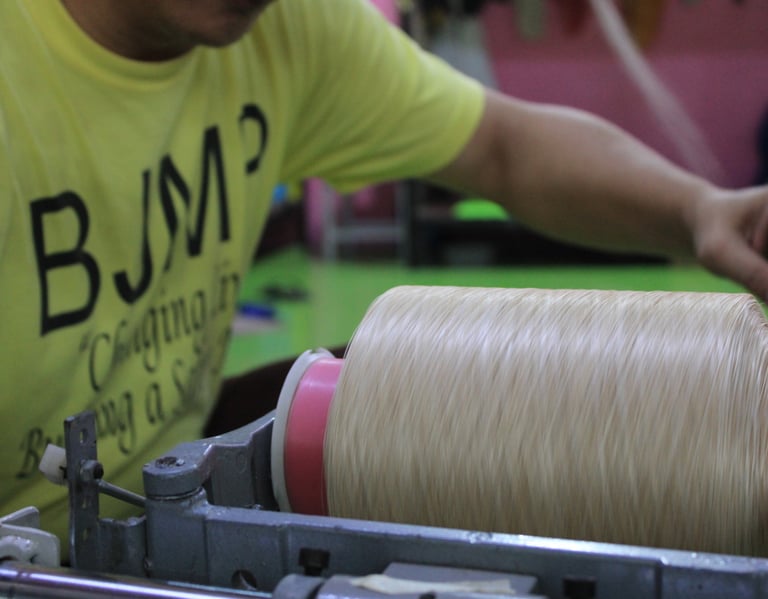
Carpentry, handicrafts, weaving, and other trade skills;
Urban gardening and agriculture initiatives;
Entrepreneurship and cooperative development;
Work readiness, employability training, and job linkage support.
Reintegration and Aftercare
Pre-release counseling, family reunification, and transition planning;
Job placement assistance and livelihood referrals;
Community-based programs for reintegration;
Post-release monitoring and aftercare support.
The “No Juan Left Behind” program upholds the true essence of rehabilitation—ensuring that every Person Deprived of Liberty, regardless of background or circumstance, is given equal access to education, mental health care, skills training, and reintegration support. By establishing programs like the Mental Health Hub and other developmental initiatives, we are not only strengthening security and discipline but also restoring dignity, hope, and purpose among PDL.
Approving this program means believing in second chances—that every Juan has the potential to change, to heal, and to contribute positively to the community once released. It is a step toward a more compassionate, inclusive, and progressive correctional system where truly, no Juan is left behind.
CONTACT US
Address
Payatas Road, Quezon City Metro Manila, Philippines
Contact #:
Records Unit: 09360514244
Trunkline Number: (02) 8282 7483
Email Address:
ncr.quezoncjmd@bjmp.gov.ph
Bureau of Jail Management and Penology Office Links
Online Services
Downloads
Linked Agencies